The headline says a new AI system changes everything, and your group chat is already sharing it. Before you do, take ninety seconds.
Why AI News Is Hype-Prone
AI moves fast, companies compete for attention, and many announcements arrive as polished demos before anyone outside can test them. None of that makes the news false. It just means the first version of a story is often the most excited one.
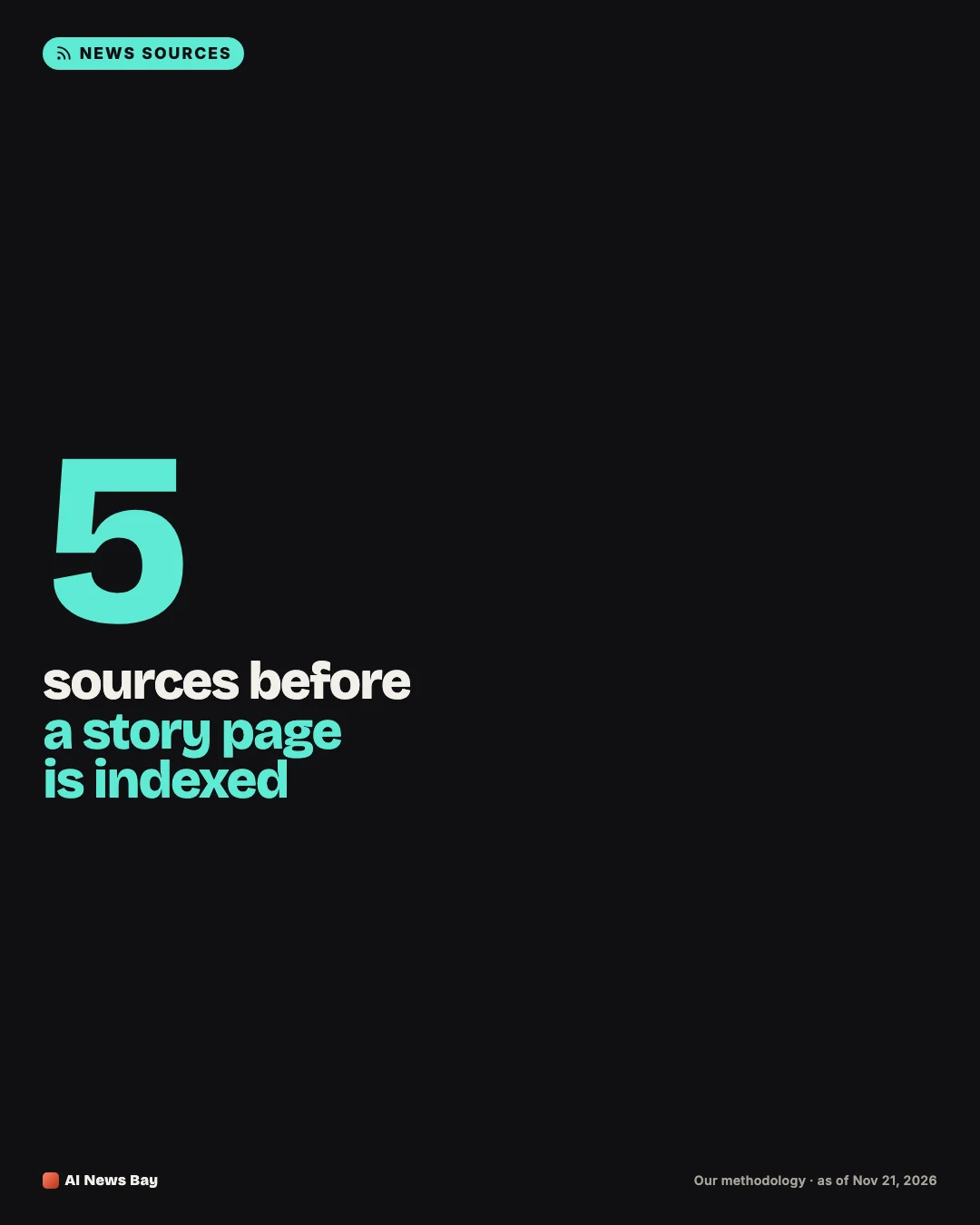
At AI News Bay we see this daily. Our methodology page explains that we group posts about the same event into one story. For the day’s most-covered stories, an AI model writes a short summary from the sources’ headlines and our own data, and an automatic check blocks hype words and anything not in the facts. Story pages stay out of search engines unless at least five sources cover the story and a checked summary exists.
Did you know? Our methodology page says the automatic check on our story summaries blocks hype words. When over-the-top words of that kind appear in a headline, it’s a signal to slow down, not proof that something is wrong.
The 8 Checks
1. Who Is Making the Claim?
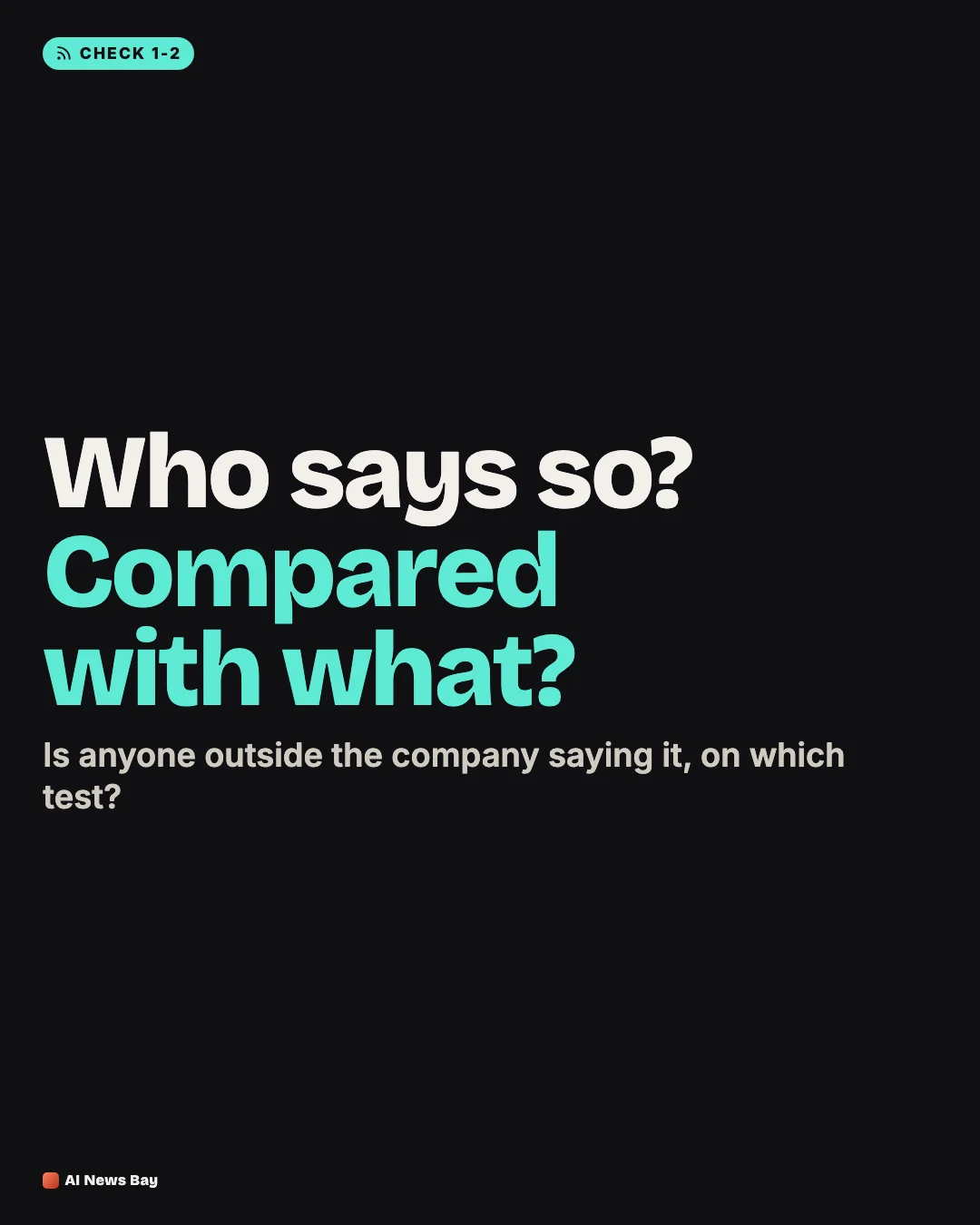
A company’s own announcement is a primary source, and also a sales pitch. An independent test, a peer-reviewed paper or several unconnected reporters carry more weight. Ask: is anyone outside the company saying this?
2. Compared With What?
Words like better, fastest or most capable need a comparison. Better than the company’s last model, or better than every rival? On which test, measured how and when? If the comparison isn’t stated, the claim isn’t complete.
3. Is There a Number With a Source and Date?
A specific, sourced number (“X% on a named public test, as of a date”) can be checked. “Dramatically improved” can’t. Vague praise is the easiest form of hype to spot.
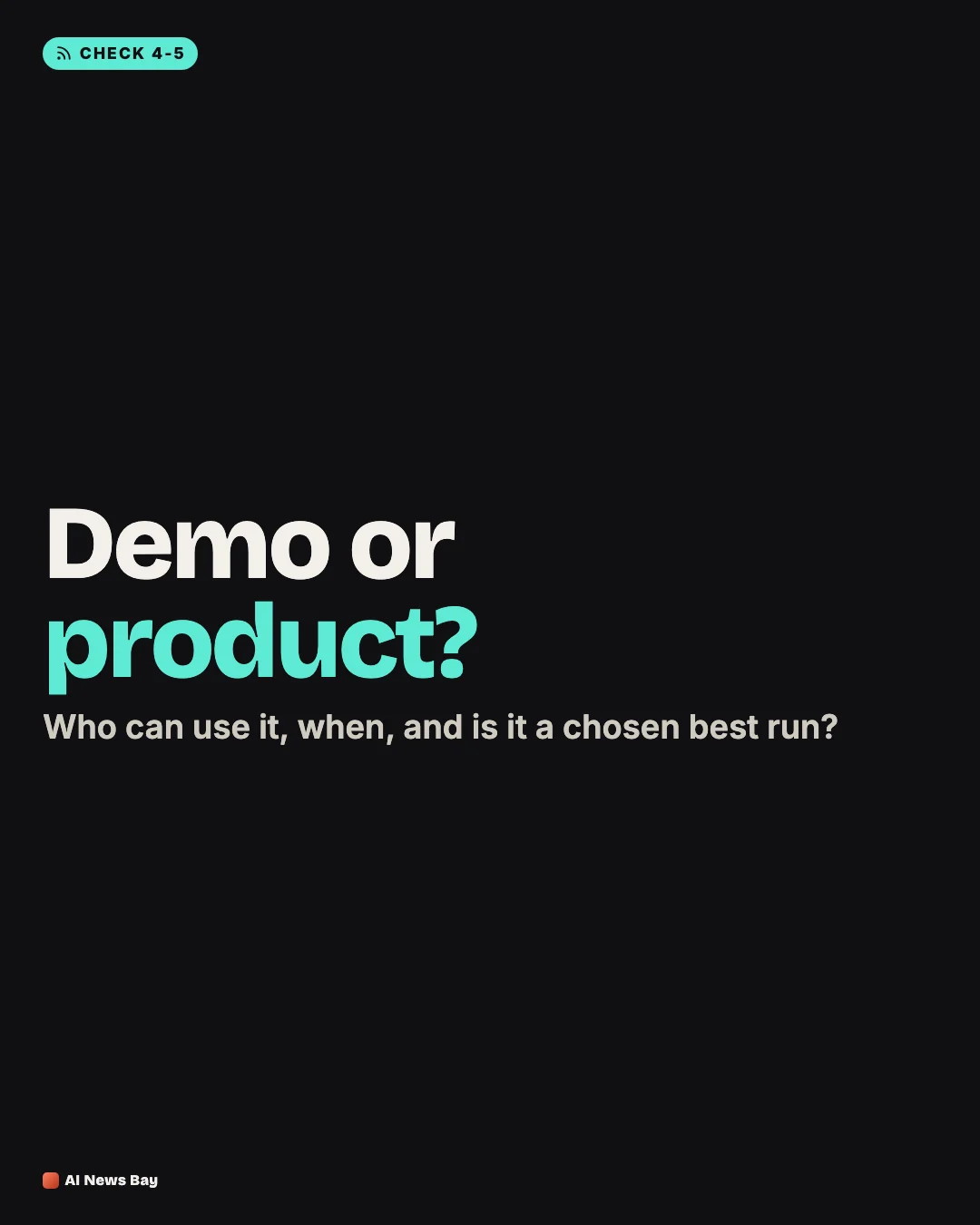
4. Available to Whom, and When?
“Launched” can mean anything from available to everyone today to a waitlist, one country, one paid plan or a research preview. Look for the small print about access.
5. A Demo or a Product?
A demo shows the best run, chosen by the people making it. A product has to work for everyone, every day. Treat a demo video as a promise, and wait for hands-on reports.
6. Do Independent Sources Agree?
One article is a claim; several unconnected outlets reporting the same facts is a signal. Our Today page groups coverage of the same event, so you can see how many sources picked it up.
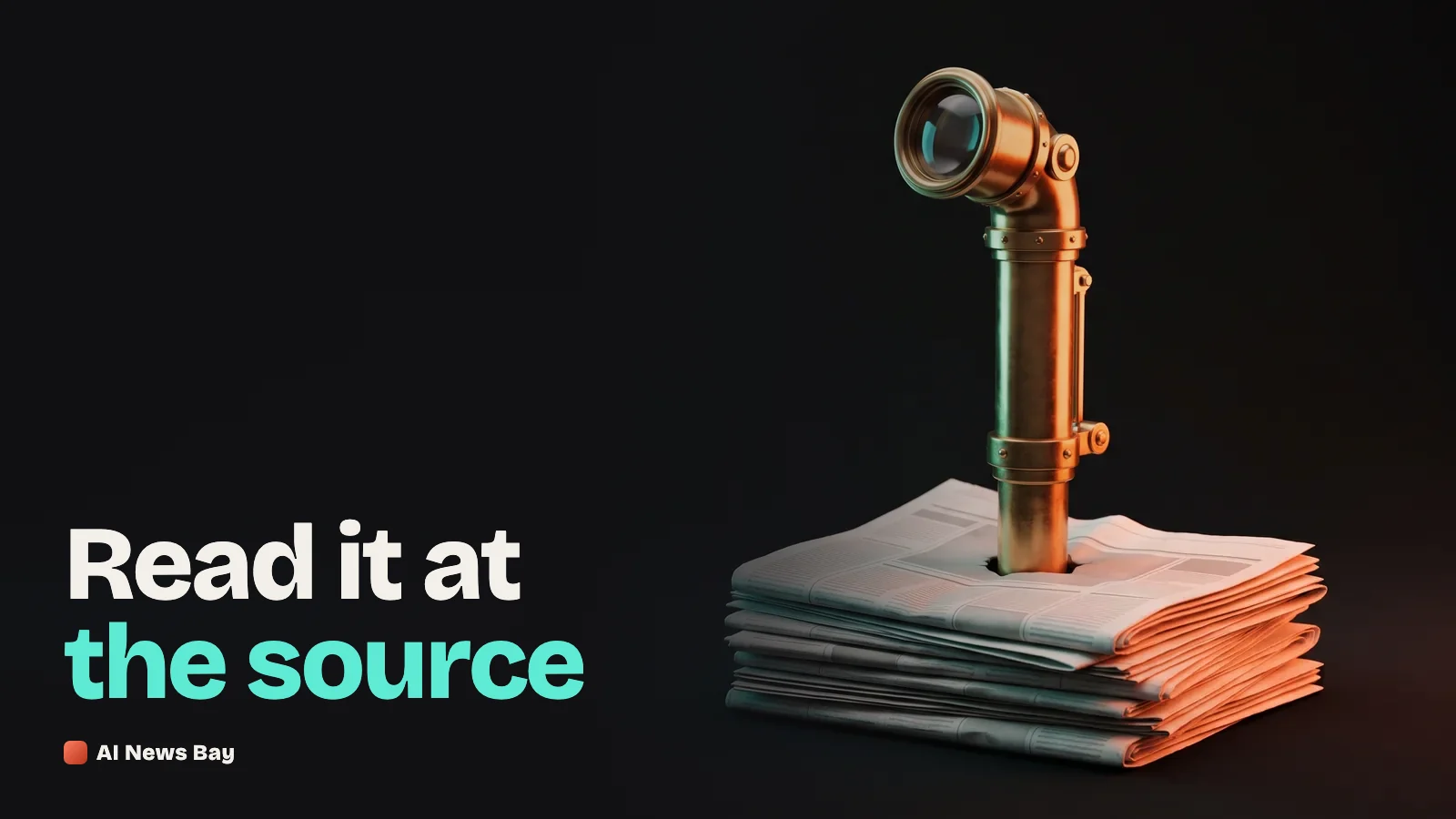
7. Can You Check It at the Source?
If a story says prices fell, check the official pricing page. Our price board records prices from those pages with dates. If it says a service is down, check the official status page. Primary sources settle most arguments quickly.
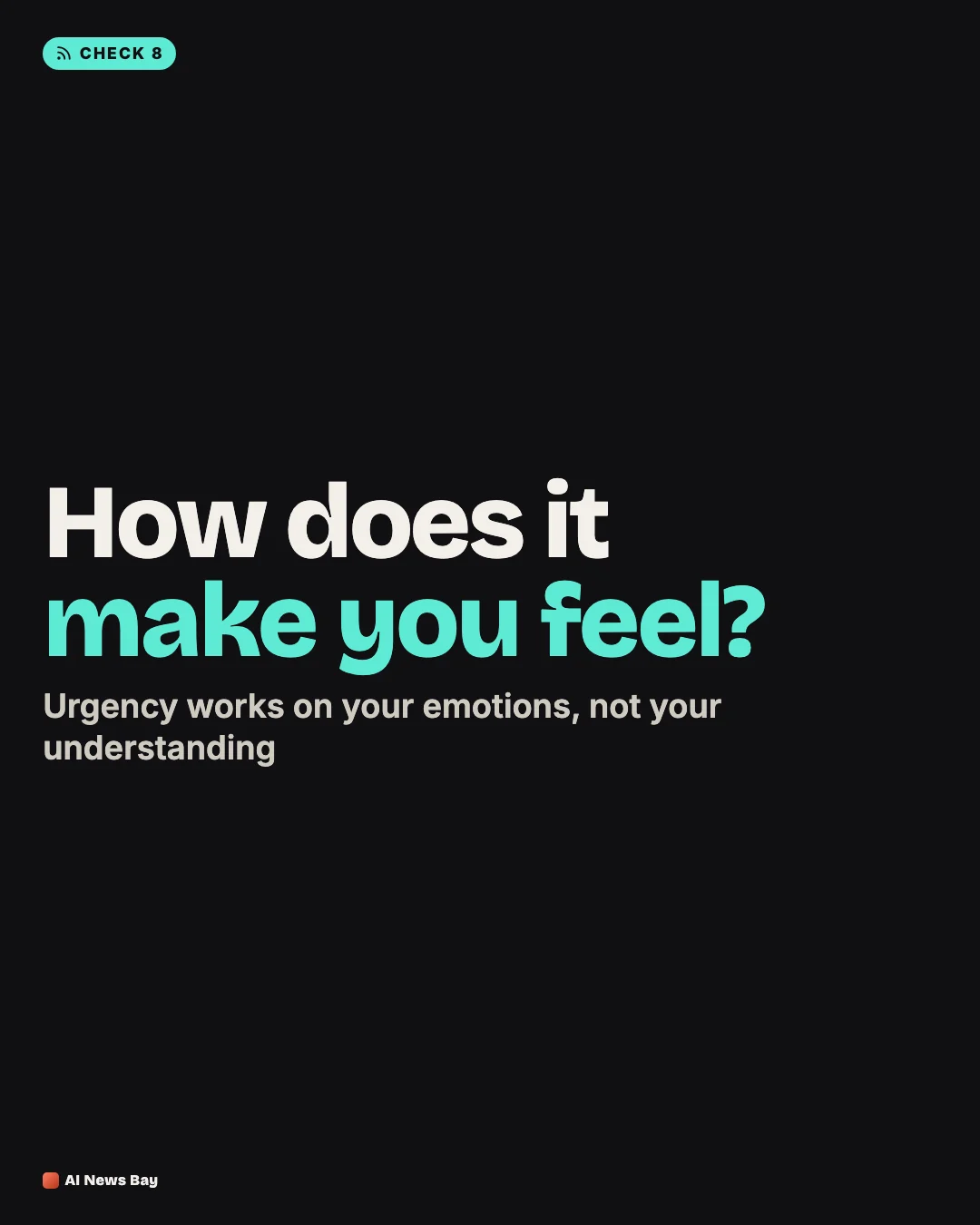
8. How Does It Make You Feel?
Headlines built to make you anxious, angry or afraid of missing out are working on your emotions, not your understanding. Good reporting can be exciting, but it doesn’t need urgency to persuade you.
Where to Find Calmer Coverage
You don’t have to fact-check everything yourself. A few habits help:
- Follow at least one sceptic. Our skeptics and critics collection lists writers who question big claims.
- Wait a day. The second day’s coverage usually has more testing and fewer superlatives.
- Prefer sources that link out. Good coverage links to the original announcement, paper or pricing page, so you can check it.
Myth vs Fact
| Myth | Fact |
|---|---|
| If it’s in the headline, the article proves it | Headlines often go further than the body; read past the first paragraph |
| A demo shows what you’ll get | A demo shows a chosen best case; wait for broad hands-on reports |
| Sceptics are just negative | Good sceptics ask for evidence; reading one sharpens your judgement |
Try It on This Made-Up Headline
Here’s a headline we wrote ourselves: New AI tool will replace all spreadsheets by next year. Run the checks:
- Who says so? Probably the tool’s maker.
- Compared with what? No comparison given.
- A number? None.
- Available to whom? Not stated.
- Demo or product? Unknown.
That’s five red flags in a few seconds. A calmer version might read: New AI tool can draft simple spreadsheets from a description, in a preview for paid users. It’s less exciting, and far more useful.
What This Means for You
- Developers: before switching tools because of an announcement, test it on your own tasks; benchmarks and demos aren’t your workload.
- Founders and team leads: ask vendors the eight questions; their answers tell you as much as their slides.
- Curious beginners: you don’t need technical knowledge to spot hype. Asking who says so, compared with what and who can use it goes a long way.
Copy-Ready Hype Check
- Who is making the claim?
- Compared with what, on which test?
- Is there a dated, sourced number?
- Who can use it, and when?
- Demo or product?
- Do independent sources agree?
- Can I check it at the source?
- Is the headline trying to make me feel something?
What’s the last AI headline that excited you? How many of these checks would it pass?
Bottom Line
Hype isn’t a reason to ignore AI news; it’s a reason to read it with eight quick questions. Balance your feed with writers from our skeptics and critics collection, check how widely a story is covered on Today, and start with a calm newsletter from The Best AI Newsletters for Beginners. Want these updates by email? Sign up here, or follow new guides and data stories through our RSS feed.